
The Social Role of the English Parish Church

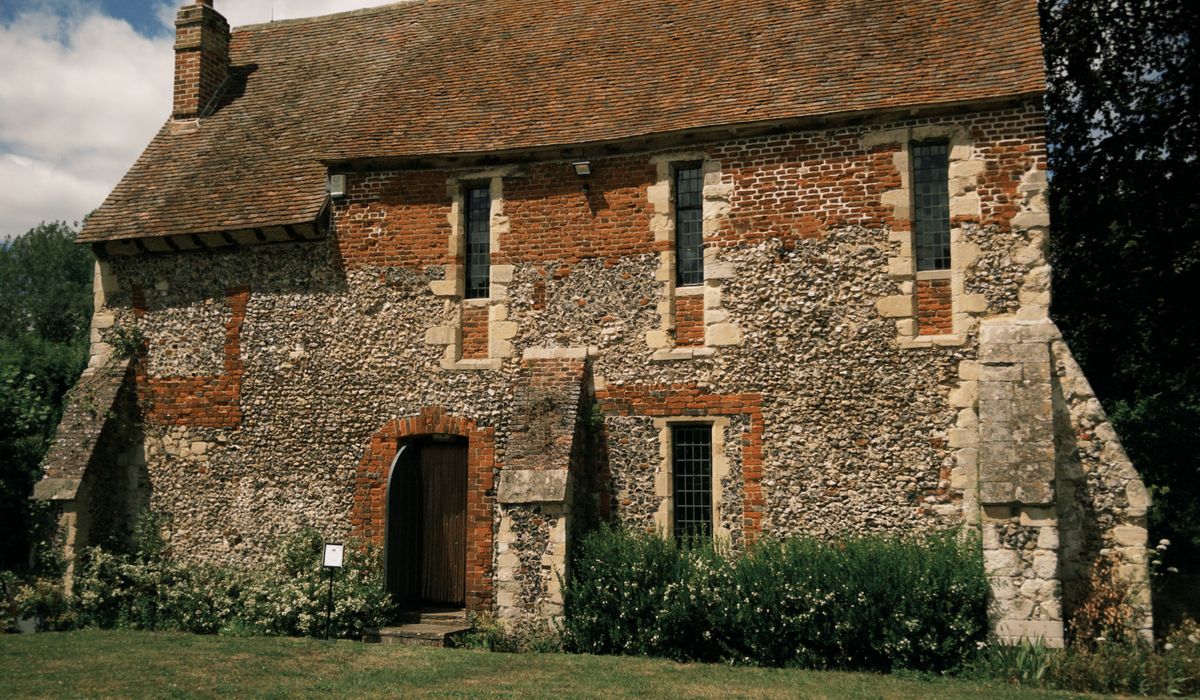
A Building at the Centre of Life
The parish church was never just a place for Sunday worship. For centuries it was the most substantial building most people would ever enter, and its walls enclosed far more than prayer. It served as the parish’s meeting house, courtroom, store and social security office. Its bells marked not only services but curfews, fires and victories. To understand English parish life, you must look at the church as a working institution, not merely a monument.
The nave, before pews filled it, was a flexible open space. Parishioners gathered there for vestry meetings, where ratepayers elected churchwardens, overseers of the poor and surveyors of the highways. These meetings decided who would receive relief, how much the poor rate would be, and who should repair the churchyard wall. In many places the vestry was the only local government the village had until the nineteenth century. After the Reformation, the nave also hosted secular business: manorial courts, leet courts, and sometimes coroner’s inquests. The church porch was a place for legal transactions, marriage vows and public notices. Churchwardens’ accounts record payments for ale at meetings, for cleaning after courts, and for mending locks on the parish chest.
Law, Order and the Church Court
Until the nineteenth century, the church ran its own courts. The consistory court of the bishop or the archdeacon’s court dealt with moral offences, tithe disputes, probate of wills and defamation. Churchwardens presented parishioners for drunkenness, adultery, working on Sundays, and refusing to pay church rates. Penalties included public penance, excommunication, or fines. The church court could be harsh, but it was also local and accessible. Its records are a goldmine for family and local historians.
Sanctuary was another legal role. A fugitive could claim sanctuary in a church for up to forty days, and some churches have surviving sanctuary knockers or boundary stones. The church also enforced the King’s peace in other ways: weapons might be deposited at the door, and the parish constable could use the church as a place of safe custody.
Storehouse and Granary: Practical Uses
Parish churches were built to last, so they became safe stores. The parish chest held registers, deeds and valuables. It was often iron-bound and triple-locked, with one key kept by the vicar and two by churchwardens. The churchwardens stored arms and armour for the militia, fire buckets, ladders, and sometimes a fire engine. In agricultural parishes, the church tower or porch might hold grain for the poor, or seed corn for the next sowing. The church house, a parish building often near the church, was used for brewing, feasting and relief.
- Parish chest: iron-bound, triple-locked, holding registers and deeds.
- Churchwardens’ store: firearms, pikes, buckets, ladders and fire equipment.
- Dole cupboards: bread or money set aside for the poor.
- Church house or almshouse: brewing, feasting and practical charity.
The Life Cycle: Baptism to Burial
The church marked every stage of life. Baptism at the font brought a child into the community, with godparents promising to teach the faith. Churching after childbirth was a public return to society. Marriage often began at the church porch before moving to the altar. Burial in the churchyard, or inside the church for the wealthy, kept the dead among the living. Funeral bells, hearse cloths and paid mourners were all part of parish custom. The churchyard was also a place for graveside meetings, processions and sometimes markets and fairs, though bishops frequently complained about the latter.
Charity, Education and the Poor
The parish was a welfare system. Charity boards listed benefactions: money for bread, clothing, coal or apprenticeships. The churchwardens distributed these doles, often on specific saints’ days. Sunday schools, often held in the church or a gallery, taught reading and the catechism to poor children. Some churches had a library for the clergy or a schoolroom in the tower. The parish clerk, sexton and beadle were paid officials whose duties overlapped with social care: ringing the bell for the sick, digging graves and keeping order.
Change and Continuity
The nineteenth century saw parish functions stripped away. Civil registration in 1837 took over births, marriages and deaths. Poor law unions replaced vestry relief. County courts and magistrates took over much legal business. Yet the church building remained the emotional centre of the parish. Its registers, charity boards and churchwardens’ accounts still tell the story of ordinary lives. Next time you step into a parish church, look for the parish chest, the dole cupboard, the sanctuary knocker, the charity board. They are the quiet evidence of a building that was once the beating heart of English local life.

Joeby Ragpa
This template is so awesome. I didn’t expect so many features inside. E-commerce pages are very useful, you can launch your online store in few seconds. I will rate 5 stars.
ReplyAlexander Samokhin
This template is so awesome. I didn’t expect so many features inside. E-commerce pages are very useful, you can launch your online store in few seconds. I will rate 5 stars.
ReplyChris Root
This template is so awesome. I didn’t expect so many features inside. E-commerce pages are very useful, you can launch your online store in few seconds. I will rate 5 stars.
Reply