
Repointing Brickwork in Historic British Buildings

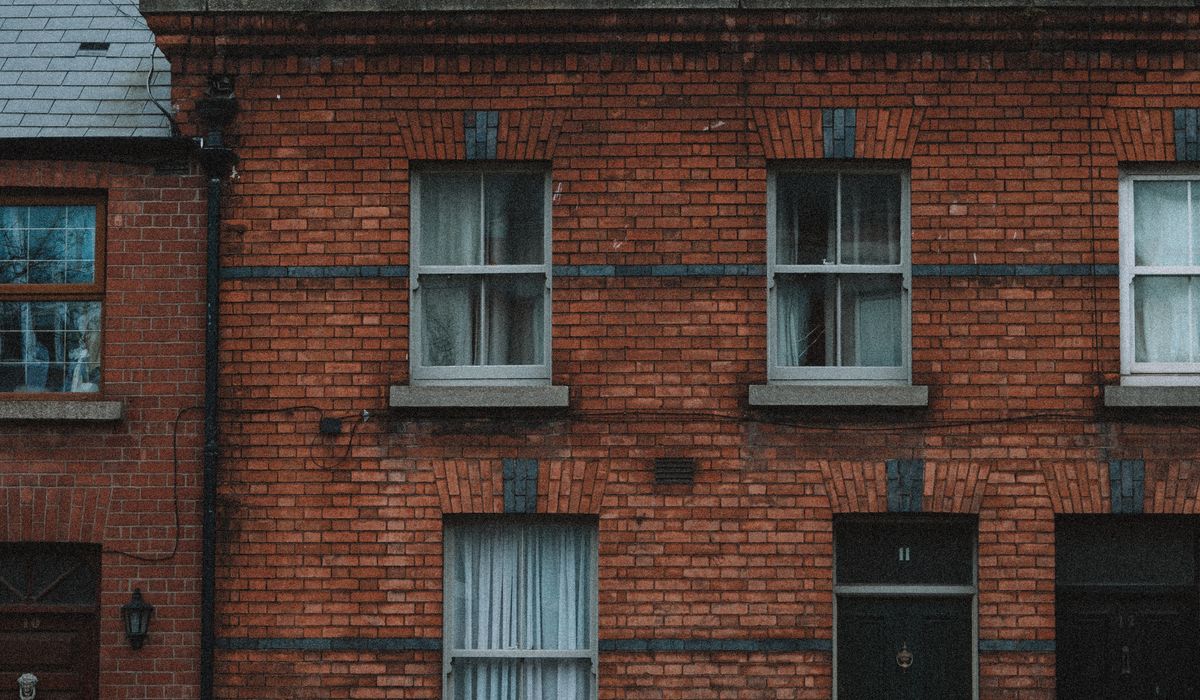
Britain’s historic brickwork is a testament to centuries of craft. Yet the mortar that holds these bricks together is often the most vulnerable element. Repointing—renewing the outer face of mortar joints—is a routine maintenance task, but on historic buildings it demands a different approach from modern construction. Get it wrong, and you can cause irreversible damage. Get it right, and you protect the building for generations.
The Damage Done by Hard Cement
For much of the twentieth century, cement mortar was the default choice for repointing. It is cheap, strong, and sets quickly. But these qualities make it disastrous for old brick. Historic bricks were fired at lower temperatures than modern equivalents; they are softer, more porous, and often hand-made. Cement mortar is harder and less permeable than the brick. When moisture enters the wall—from driving rain, rising damp, or defective rainwater goods—it cannot escape through the cement. It becomes trapped.
In winter, trapped water freezes and expands, forcing the brick face to spall. Soluble salts crystallise beneath the surface, causing further disintegration. Cement also lacks flexibility, so as the building moves, it cracks, allowing more water in. The result is a cycle of decay: the mortar remains intact while the bricks crumble. Hard cement does not protect historic brickwork; it sacrifices it.
Why Lime Mortar Is the Only Sensible Choice
Lime mortar is the traditional partner to historic brick. It is made from lime—either non-hydraulic lime putty or natural hydraulic lime (NHL)—mixed with sharp sand and water. Unlike cement, lime mortar is breathable, allowing moisture vapour to pass through. It is also softer and weaker than the bricks, so movement or stress causes the mortar to fail first. This 'sacrificial' quality is deliberate: far easier to repoint than to replace spalled bricks.
Lime mortar accommodates slight movement without cracking, thanks to its flexibility and self-healing properties. Over time, lime re-absorbs carbon dioxide and hardens, but remains vapour-permeable. For historic fabric, a lime mortar matched to the original is almost always correct. Never use cement on pre-1919 brickwork unless a conservation engineer has specified otherwise.
Matching Mortar and Profile to the Original
Not all lime mortars are the same, and not all historic bricks are either. A Georgian brick from London might be soft and sandy, while a Victorian engineering brick from the Midlands is vitrified and hard. The mortar must be weaker than the brick, but its composition—lime type, sand grading, colour, and strength—should be based on the existing mortar. Begin with analysis: sample the original mortar and test for binder type, aggregate grading, and soluble salts. This informs the new mix.
Sand is crucial. The aggregate should be sharp, well-graded, and similar in colour and texture to the original. Building sand is often too soft and rounded; use washed sharp sand or a blended aggregate. The lime-to-sand ratio varies by exposure and brick type: typical mixes range from 1:2 to 1:3 for non-hydraulic lime putty, or follow NHL manufacturer's guidance. Mix test panels and let them cure to check colour and strength.
The pointing profile matters too. Historic profiles are rarely flat. Common finishes include:
- Flush or rubbed: mortar finished flush with the brick face, common on Georgian and early Victorian work.
- Weather-struck: angled to shed water, often found on exposed elevations.
- Bucket-handle: a smooth, concave curve that sheds water well and is typical of much Victorian brickwork.
- Penny-struck: a raised, rounded ridge, sometimes seen on high-status buildings.
Match the original profile as closely as possible. A modern flat strap pointing or deep recess will look wrong and can trap water.
Preparation and Technique: Slow and Careful Wins
Repointing historic brickwork is skilled, patient work. Rake out old mortar by hand using a plugging chisel and lump hammer—never an angle grinder, which gouges the brick. Remove mortar to a depth of at least twice the joint width (typically 15–25mm), but no deeper than necessary. Clean out dust and debris with a stiff brush, not water under pressure. If the wall is very dry, dampen joints with a fine mist to prevent the new mortar drying too quickly.
Pack the lime mortar firmly into the joint in layers, using a pointing trowel and jointing tool. Work in small sections and avoid smearing mortar on the brick face. Finish the profile while the mortar is still 'green'—firm but not set. Then leave it alone. Lime mortar cures slowly by carbonation, so protect the work from direct sun, wind, and frost for at least a week. Damp hessian or plastic sheeting helps. Do not tool the joint too wet or too dry; aim for a consistent, tight finish.
When to Repoint—and When to Leave Well Alone
Repointing is not a cosmetic exercise. Only repoint where the mortar is failing: crumbling, recessed by more than a few millimetres, or missing. Sound, hard mortar—even if untidy—should be left. Over-repointing destroys historic fabric and can change the wall's appearance. For listed buildings, you will usually need listed building consent before any repointing. Your local authority conservation officer can advise on materials and methods.
Regular maintenance is the key. Check gutters, downpipes, and flashing—most damp problems start at the roof, not the wall. After repointing, monitor the wall for a full seasonal cycle. If new cracks appear, investigate the cause rather than simply filling them. A well-repointed historic brick wall, using lime mortar and a matched profile, will breathe, move, and endure as designed.

Joeby Ragpa
This template is so awesome. I didn’t expect so many features inside. E-commerce pages are very useful, you can launch your online store in few seconds. I will rate 5 stars.
ReplyAlexander Samokhin
This template is so awesome. I didn’t expect so many features inside. E-commerce pages are very useful, you can launch your online store in few seconds. I will rate 5 stars.
ReplyChris Root
This template is so awesome. I didn’t expect so many features inside. E-commerce pages are very useful, you can launch your online store in few seconds. I will rate 5 stars.
Reply