
Slots vs. Poker vs. Betting: Which iGaming Vertical Fits You?

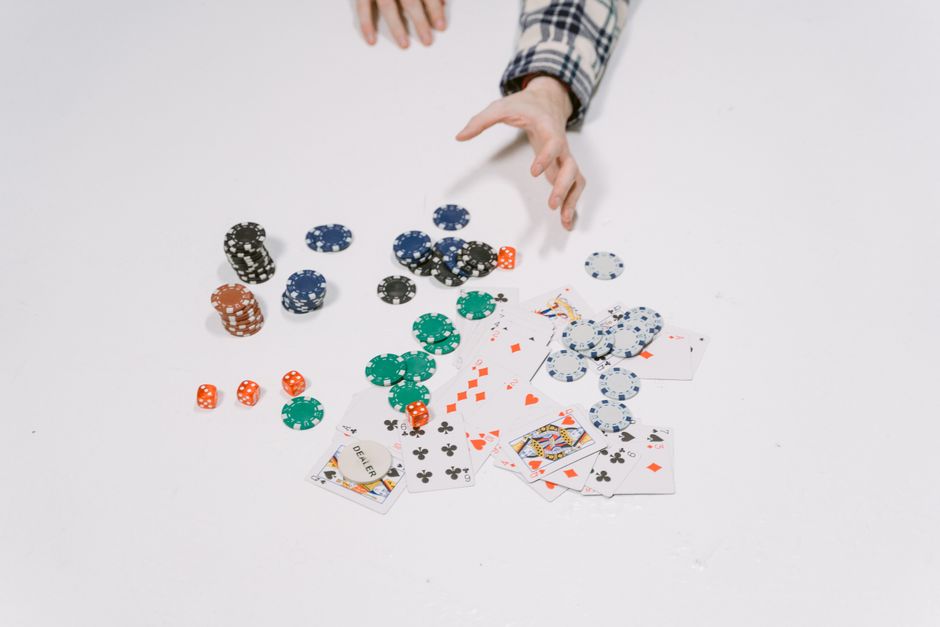
Every time you open an online casino lobby, you're faced with a quiet but important choice. The slots are flashing, a poker table is filling up, and tonight's Champions League odds are staring back at you. Most players dabble in all three, but if you want to get real value out of your bankroll, it pays to know which vertical actually suits how your brain is wired.
I've spent the last decade watching friends lose money on slot spins while they could have cleaned up at micro-stakes poker, and vice versa. The problem isn't the games — it's the mismatch. So let's break down the three main iGaming pillars without the usual marketing fluff, and figure out where you genuinely belong.
Slot Machines: The Purest Form of Entertainment
Let's be honest about slots. They are not a skill game. No amount of pattern recognition or 'hot machine' theory changes the fact that every spin is independent and the house edge is baked in. Modern video slots typically run at an RTP (return to player) between 94% and 97%, which means for every €100 wagered, you'll lose €3-€6 over the long run. That's the math. If you can't accept that, slots will eat you alive.
But here's the thing: slots are designed to be fun, and they're incredibly good at it. Features like free spins, expanding wilds, and Megaways mechanics give you frequent dopamine hits. The variance is wild — you can turn €20 into €2,000 on a single bonus round, or watch it vanish in four minutes. That volatility is the product. For more on this, see สล็อตเว็บตรง.
Who should play slots? People who treat iGaming as paid entertainment, like going to the cinema or a concert. If you're chasing losses or expecting a side income, you're in the wrong vertical. My rule of thumb: set a hard session limit (say, €50), play for the thrill, and never touch the 'deposit' button after you hit zero.
Concrete tip: look for slots with an RTP of 96% or higher and high volatility if you're chasing big wins, or low volatility if you want your bankroll to last. Avoid 'bonus buy' features unless you understand the cost — a €100 buy for a 96% RTP slot means an expected return of €96, but the variance can be brutal.
Poker: Where Skill Actually Matters
Poker is the only vertical on this list where a skilled player can achieve a positive expected value (EV) over time. That's not opinion — it's math. In Texas Hold'em, the house takes a rake (typically 5-10% of the pot, capped), but if you're better than your opponents, you can still profit. The same can't be said for slots or most sports bets.
But poker is a grind. You need to study ranges, pot odds, position, and bet sizing. You need to handle downswings that can last thousands of hands. And you need to game-select — sitting at a table full of professionals is a fast way to donate your bankroll.
If you're new, start with micro-stakes cash games (€0.01/€0.02 blinds) or low buy-in tournaments (€1-€5). Focus on tight-aggressive play: play fewer hands, bet aggressively when you do. Track your results with software like PokerTracker or Hold'em Manager. Yes, it's work, but the upside is real. A disciplined player can beat €0.05/€0.10 for 5-10 big blinds per 100 hands, which translates to €5-€10 per hour — not life-changing, but it's profit, not loss.
Who should play poker? Competitive people who enjoy learning, studying, and outsmarting opponents. If you get bored by folding 80% of your hands, poker will frustrate you.
Sports Betting: The Middle Ground
Sports betting sits between slots and poker. It's not pure luck — you can research form, injuries, and statistics — but the house edge is significant. Bookmakers build a margin (the 'vig' or 'overround') into every market, typically 4-8%. That means a coin-flip bet pays out less than it should.However, smart bettors can find value. Line shopping (comparing odds across multiple bookmakers) can reduce the vig to 2-3%. Betting on lesser-known leagues or specific markets (like Asian handicaps or player props) can offer edges if you have specialized knowledge. But let's be clear: the vast majority of recreational bettors lose money over time.
Concrete data point: A study by the UK Gambling Commission found that in a sample of sports bettors, only about 2% were profitable over a 12-month period. That's not to say you can't be in that 2%, but you need discipline and a system.
Who should bet on sports? People who already follow a sport deeply and enjoy the analytical side. If you're just betting on your favorite team for fun, treat it as entertainment, not investment. And always use a staking plan — flat betting 1-2% of your bankroll per bet is a classic approach that prevents ruin.
Bankroll Management: The Universal Skill
No matter which vertical you choose, bankroll management separates winners from busted accounts. Here's a simple framework:
- Slots: Your session bankroll should be 50-100x your average bet. If you bet €1 per spin, bring €50-€100. Walk away when it's gone.
- Poker: For cash games, you need at least 20 buy-ins for your stake (e.g., €200 for €0.05/€0.10, where the max buy-in is €10). For tournaments, 50-100 buy-ins.
- Sports betting: Use unit sizing — 1-2% of your total bankroll per bet. A €1,000 bankroll means €10-€20 per bet.
Also, track everything. A simple spreadsheet or app like Bet Tracker or Poker Income will show you your real results, not the rosy version your memory tells you.
The Psychology of Each Vertical
Slots trigger rapid, variable-ratio reinforcement — the same psychological mechanism as a slot machine in a lab. That's why they're so addictive. Poker rewards patience and emotional control; tilt is your enemy. Sports betting combines hope with analysis, but it can also lead to chasing losses on live bets.
Know yourself. If you have an addictive personality, slots are the most dangerous. If you can't handle variance, poker will break you. If you get emotional when your team loses, sports betting might not be for you.
So, Which One Is Right for You?
There's no universal answer, but here's a quick decision guide:
- If you want pure entertainment with no illusions of profit, play slots with strict limits.
- If you're competitive and willing to study, poker offers the only realistic path to long-term profit.
- If you follow sports closely and enjoy analytics, sports betting can be a hobby with a small edge.
Personally, I split my time: 70% poker (where I have an edge), 20% sports betting (for fun, with small stakes), and 10% slots (when I just want to spin and not think). That balance keeps me engaged without bleeding money.
At the end of the day, iGaming is a form of entertainment first. The moment it stops being fun — or starts feeling like a necessity — step back. No vertical is worth your mental health or your rent money. Play smart, play within your means, and choose the game that matches your personality, not the one with the flashiest bonus.

Joeby Ragpa
This template is so awesome. I didn’t expect so many features inside. E-commerce pages are very useful, you can launch your online store in few seconds. I will rate 5 stars.
ReplyAlexander Samokhin
This template is so awesome. I didn’t expect so many features inside. E-commerce pages are very useful, you can launch your online store in few seconds. I will rate 5 stars.
ReplyChris Root
This template is so awesome. I didn’t expect so many features inside. E-commerce pages are very useful, you can launch your online store in few seconds. I will rate 5 stars.
Reply